- SD Premier Outdoor News
- Posts
- Zone Zero Rule In Effect This Month
Zone Zero Rule In Effect This Month
How to Fire-Harden Your Yard Without Killing Curb Appeal

Emily Ayala
February 10, 2026
Hi there,
If you live anywhere near open space (or even in some surprisingly urban neighborhoods), there’s a fire-safety change you’ve probably heard whispers about: “Zone Zero.” In simple terms, it’s the first 5 feet around your home, and it’s quickly becoming the most important strip of landscaping on your property.
What’s Changing (and Why it Matters)
San Diego has adopted new wildfire safety regulations for Very High Fire Hazard Severity Zones, and the biggest shift is what happens in Zone 0: a five-foot buffer around structures where combustible materials are restricted, including common landscaping choices and even items like certain fencing.
Why so strict? During wind-driven fires, flying embers are a major cause of home ignition, often landing right next to the structure and finding something easy to light (like mulch, dense shrubs, or debris tucked against a wall). Zone Zero is designed to remove that “easy fuel” right where it matters most.
When Does It Start?
Local reporting and city guidance indicate:
New construction: regulations take effect this month, February 2026
Existing homes: a compliance timeline extending to February 2027 is being discussed/used in local guidance
Rental properties: may have different (often faster) compliance expectations than owner-occupied homes
As always, details can vary by property type and jurisdiction, so we recommend confirming specifics for your address.
Step One: Find Out If Zone Zero Applies To You
The City’s Very High Fire Hazard Severity Zone map is the fastest way to check. A large portion of the city falls into these zones, so it’s worth verifying even if you don’t “feel” like you live in a fire area. (City of San Diego)
Quick Question: Are You Making One Of These Common Mistakes Right Now?
Take a quick walk around your home and ask yourself:
Do you have within 5 feet of the house anything like mulch, dense shrubs, wood edging or wood fencing touching the home, stored firewood, or décor piled against the walls?
These are some of the most common “accidental” ignition risks we see, and they’re usually easy to fix once there’s a real plan.
👉 Call Emily at 760-516-1770 to help you create a plan.
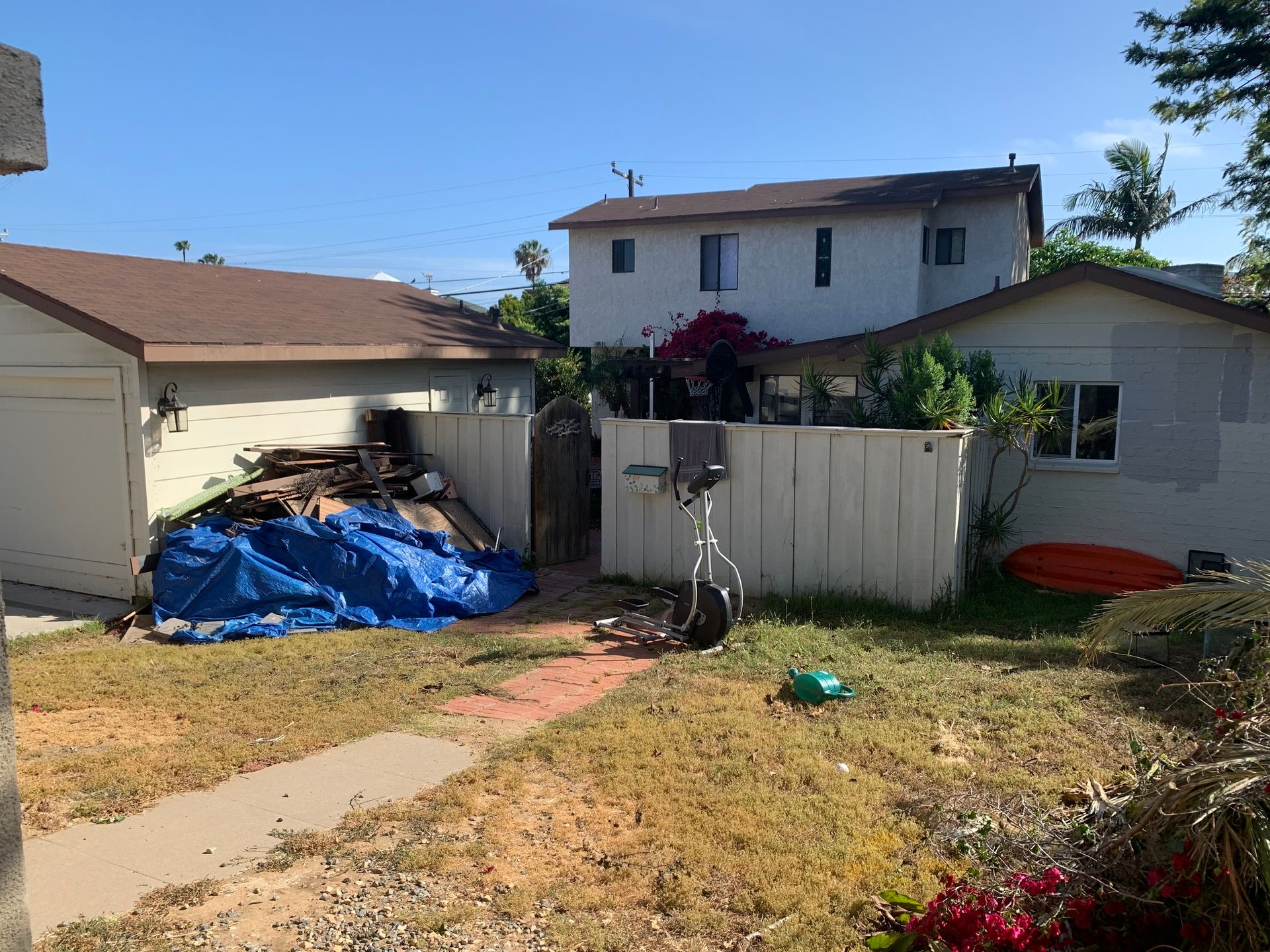
Flammable materials, such as wood piles stored against the house, can quickly become a fire hazard.
The Good News: Zone Zero Can Actually Look High-End
Most people hear “remove combustibles” and picture a barren five-foot dead zone. That’s not how we approach it.
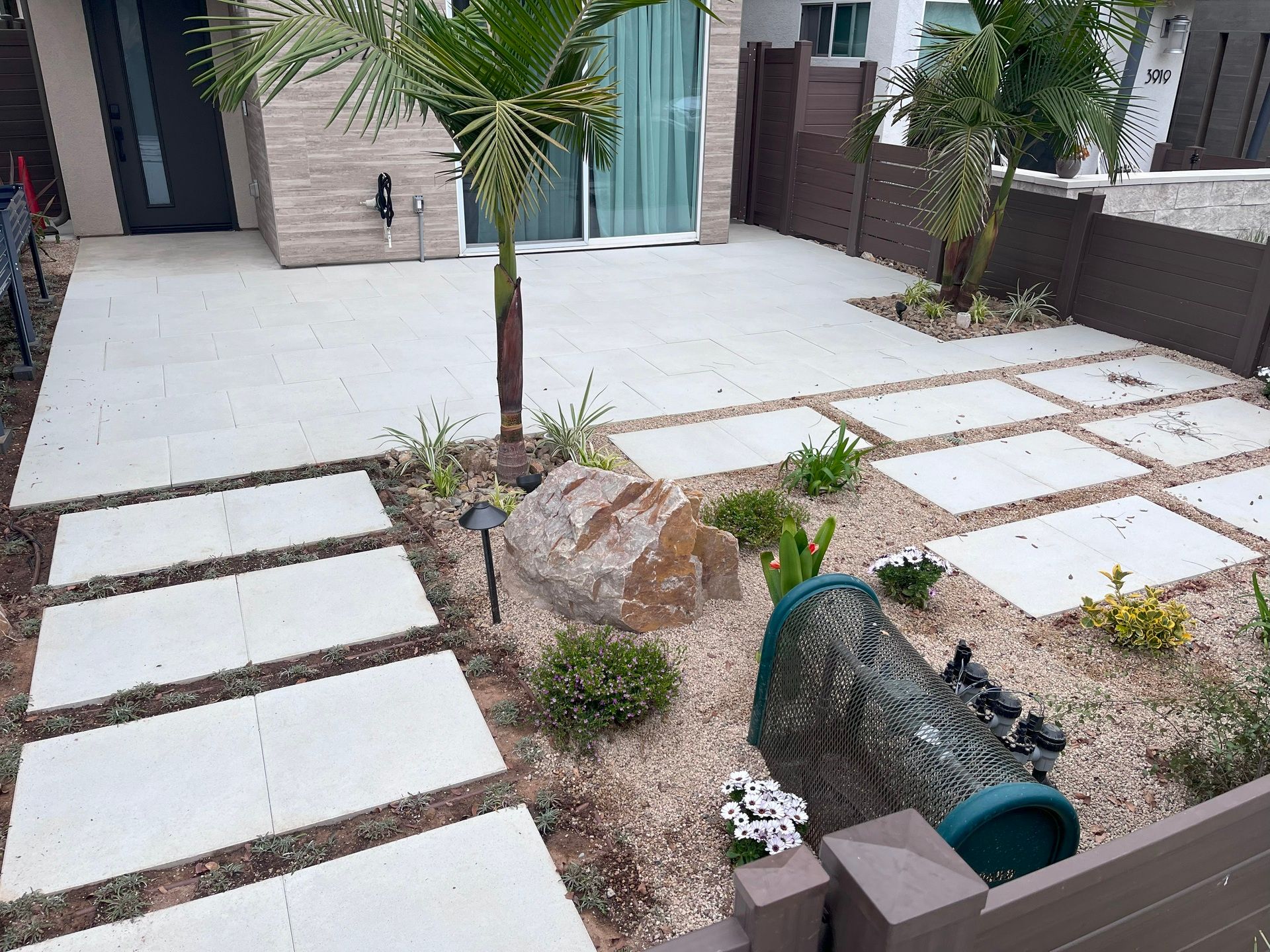
At SD Premier Outdoor, we treat Zone Zero like an architectural frame around your home clean, modern, and intentional. Think “designed exterior,” not “stripped landscaping.”
Here are high-end Zone Zero solutions we can design + install:
1) The “Architectural Perimeter” (our most popular upgrade)
A continuous, polished hardscape band around the home looks premium and checks the “low-to-no fuel” box. Options we can build:
Large-format pavers for a modern look
Decorative gravel with crisp borders
Concrete or stone transitions that match your home style
CAL FIRE’s defensible space guidance specifically calls out using gravel, pavers, or concrete in Zone 0 instead of combustible mulch.
2) Decorative gravel that looks designer (not “DIY”)
Gravel becomes luxury when it’s installed correctly:
Metal edging for razor-clean lines
Consistent stone size and color selection
Intentional stepping pads or a short service path for function + style
3) A smarter planting plan (where greenery starts at 5+ feet)
Instead of squeezing shrubs against the house, we shift planting outward and make it look more intentional:
Zone 0 stays lean and ember-resistant
Planting begins beyond 5 feet with better spacing and cleaner layering
This typically improves curb appeal because your beds stop looking crowded and become designed.
4) Mulch replacement that still looks finished
If you currently have bark mulch against the home, Zone Zero is the perfect moment to upgrade. We can redesign beds using:
Decorative gravel or crushed stone
Decomposed granite (when appropriate)
Paver-inset borders for a clean, luxury edge
5) Fence transitions that protect the home and your privacy
Wood fencing that touches the house is one of the most common “uh-oh” items. We can create an elegant transition using:
Non-combustible sections near the structure (masonry/stucco/metal)
A design that keeps privacy while reducing ignition risk near the home
CAL FIRE’s Zone 0 guidance also notes replacing combustible fencing/gates with fire-resistant materials in the closest zone.
6) Entry upgrades that double as compliance
If you want the most noticeable curb appeal boost, Zone Zero is a great excuse to improve your front approach:
Expanded walkway into a small paver entry court
Low-voltage landscape lighting to highlight paths and architecture
Clean gravel bands and modern edging for that “finished” look
How SD Premier Outdoor Can Help (even If You’re Not Ready For A Full Yard Remodel)
Whether you’re a past client or brand new to SD Premier, we can tackle Zone Zero at whatever level makes sense:
Zone Zero assessment (what to keep, move, replace)
A clean, simple concept layout for the 0–5 foot band
Demo + haul-away of old mulch/overgrowth where needed
Hardscape installation (pavers, gravel systems, concrete/stone features)
Fence/gate transition solutions
Planting redesign beyond the first five feet
Finishing details that make it look intentional, not patched together
Want a Zone Zero Game Plan that Still Looks Beautiful?
Reach out to SD Premier Outdoor, and we’ll talk through options for your home’s layout and style.
Cheers,
Emily Ayala
& The SD Premier Outdoor Team
San Diego’s Outdoor Living Design & Construction Experts

Reference: California Government Code §51182(a)(1)(A) and California Public Resources Code §4291(a)(1)(A), which establish the requirement for an ember-resistant “Zone Zero” (0–5 feet) around structures in designated fire hazard areas. Local enforcement and timelines may vary.
This article is general information, not a legal determination. Requirements can vary. Always confirm details for your property with local authorities.